
Wi-Fi Network Not Showing Up? How to Fix It
A Wi-Fi network not showing up on your device is a common issue, and the cause depends on the situation. The problem may be with the device trying to connect, or with the router and its settings. This guide covers three cases: no wireless networks visible at all, other networks appear, but yours does not, and Wi-Fi 6, Wi-Fi 6E, or Wi-Fi 7 products are not detected.
Key Takeaways
- If no wireless networks are visible at all, the issue is likely with the device itself. Check that the wireless adapter is installed and enabled, and that the Wi-Fi toggle or switch on the device is turned on.
- If other Wi-Fi networks appear but your own does not, check that the router's WLAN LED is on or flashing, that Wi-Fi is enabled on the router, and that the wireless broadcast is not set to the wrong channel for your region.
- If the router's "Hide SSID" setting is enabled, the network name will not appear in the Wi-Fi list. The network still exists, but must be joined by entering the SSID manually.
- Moving your device closer to the router can resolve visibility issues caused by being out of range.
- If you have Wi-Fi 6, Wi-Fi 6E, or Wi-Fi 7 products and cannot detect the wireless signal, refer to the dedicated FAQ for those products. It covers additional causes specific to those devices.
Case 1: Can't Find Any Wi-Fi Networks
- Confirm your device (computer, phone, or other) supports wireless connectivity.
- Check whether your wireless adapter is installed and working normally. If the wireless adapter on your computer cannot detect any wireless networks, check the settings on your computer or device to ensure it is installed properly and enabled. You can get more details for Windows or Mac.
- Check whether the wireless switch on your device (computer or phone) is enabled.
- Try enabling the hotspot on your smartphone and check whether your device can detect it. If not, contact the computer, wireless adapter, or device's support for help if necessary.
Case 2: Can See Other Networks but Not My Own
1. Check the WLAN LED indicator on your wireless router/modem, and make sure it is on or flashing. Check the Wi-Fi On/Off button and make sure Wi-Fi is enabled.

2. Check whether you have enabled wireless function on your router.
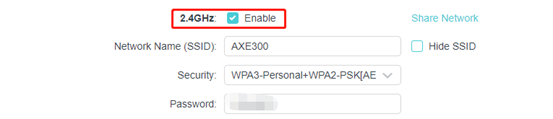
3. Check whether you have enabled the Hide SSID option on the router.
Note: If you have enabled it, the wireless name will not appear in the Wi-Fi list the first time. You need to add the profile manually.

4. Make sure your computer/device is still within the range of your router/modem. Try moving closer if you are currently too far away.
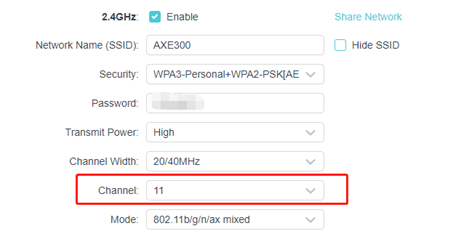
5. Check that the channel of the router is supported by your wireless clients. Some clients don’t support certain wireless channels due to regional/Country limits.
6. Try to reset the router. If you still can’t see the Wi-Fi, it may be a hardware issue.
Case 3: Wi-Fi 6/6E/7 Signal Not Detected
If you have a Wi-Fi 6, Wi-Fi 6E, or Wi-Fi 7 router, range extender, or Deco and cannot detect its wireless signal, refer to TP-Link Wi-Fi 6/6E/7 Product Network Not Showing Up?
Looking For More
Is this faq useful?
Your feedback helps improve this site.

3.0_A_RGB_normal_1584493572647x.png)

TP-Link Community
Still need help? Search for answers, ask questions, and get help from TP-Link experts and other users around the world.