
Deco IPTV/VLAN Setup: How to Configure IPTV on Your Deco Mesh System
The IPTV/VLAN feature on Deco allows your mesh system to support IPTV service from your Internet service provider (ISP), delivering TV content over your Internet connection rather than traditional cable. Configuring Deco IPTV/VLAN settings ensures your ISP's TV service runs reliably alongside regular network traffic. Before starting, make sure your Internet connection is working on the Deco unit. Follow the steps below to complete the setup.
Key Takeaways
- The IPTV/VLAN feature on Deco allows users to configure their system to support IPTV services provided by their ISP, such as streaming TV through a set-top box.
- If your Internet and IPTV are already working normally by default, no changes are needed. Keep the default IPTV/VLAN settings.
- The Mode selected in the IPTV/VLAN settings must match your ISP. Select Custom if your ISP is not listed, and contact your ISP for the required VLAN ID and priority values.
- When IPTV is enabled, and only the main Deco is in use, the other LAN port on the main Deco becomes the IPTV port by default.
- Once configured, only the designated IPTV port supports IPTV service. Other wired devices connected to that port will not have Internet access.
This article will introduce the configuration of the IPTV function. Before we start, please make sure the internet is working on the Deco unit. If not, please set up the internet connection first.
Before You Begin
- If you already have access to the Internet and IPTV functions work normally by default, please ignore this article and keep the default settings on the IPTV page.
- For the ISP Singtel, please verify if you were issued with an ONT before configuring the IPTV settings, since the IPTV setting is only required for Singtel Optical Network Terminal (ONT) and not required if you have a Singtel Optical Network Router (ONR).
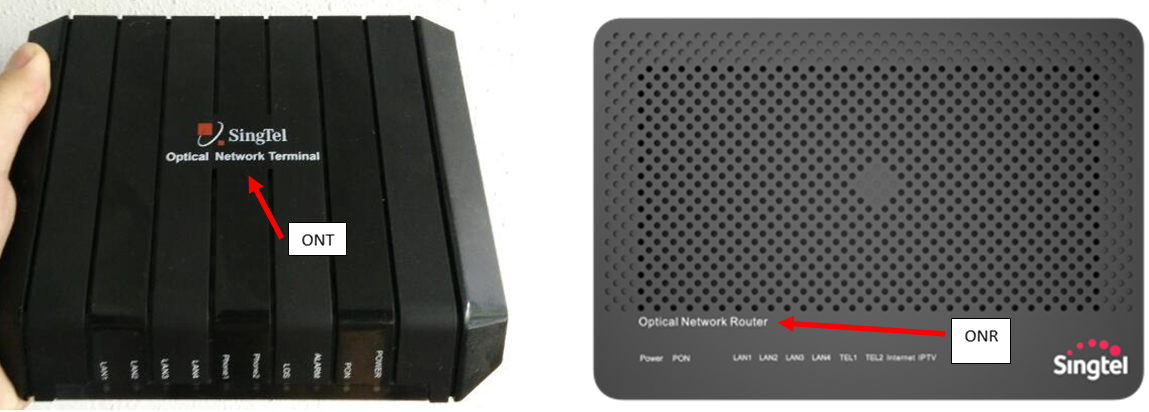
Note: not all the Deco models support setting IPTV ports on the satellite units, but this feature will be supported via firmware updates in the future.
What Is IPTV/VLAN?
IPTV (Internet Protocol Television) delivers TV content over an Internet connection rather than a traditional cable or satellite signal. VLAN (Virtual Local Area Network) allows your router to separate IPTV traffic from regular Internet traffic on the same physical connection. Configuring IPTV/VLAN on your Deco ensures your ISP's TV service and your regular Internet traffic run on separate network paths without interfering with each other.
How to Configure IPTV/VLAN on Deco
Here we take Deco M5 as an example.
Step 1: Enable IPTV/VLAN in the Deco App
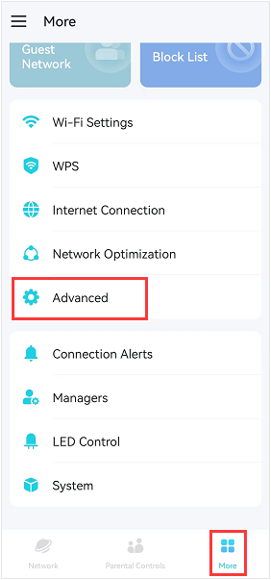
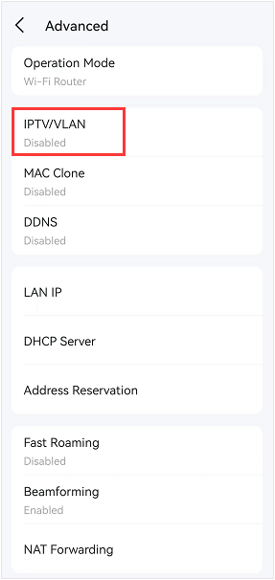
In the Deco app, go to More > Advanced > IPTV/VLAN, then enable it.
Step 2: Select Your ISP Mode
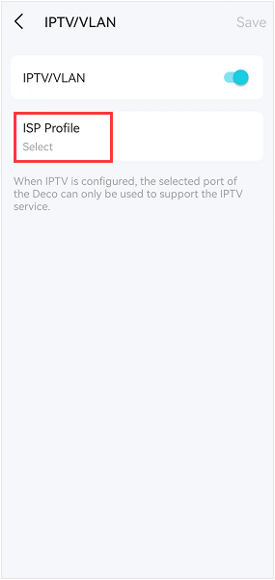
Select the Mode according to your ISP.
Several modes are available, including Bridge, Singapore-Singtel, Malaysia-Unifi, Malaysia-Maxis, and Custom.
These Modes are designed for different ISPs. The correct mode depends on your ISP — select the one that matches your provider.
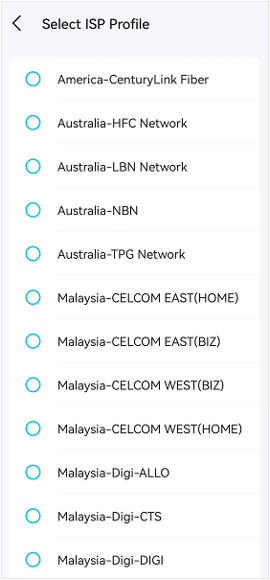
Custom mode is used for some ISPs that are not on the list.
Note: When IPTV is enabled, if you only have the main deco, the other port on the main deco will be the IPTV port by default.
Your ISP provides the IPTV VLAN ID and priority. If no priority value is given, set it to 0.
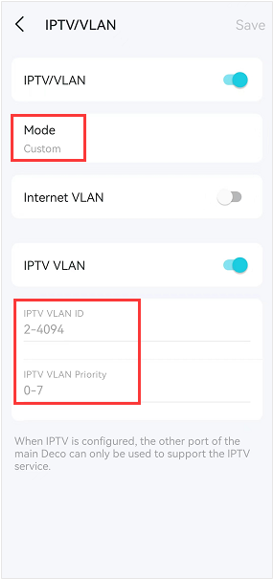
For some Deco models, such as Deco M5, the Custom mode supports setting the IPTV port on the satellite Deco units. You can configure up to three IPTV ports for your Deco system.
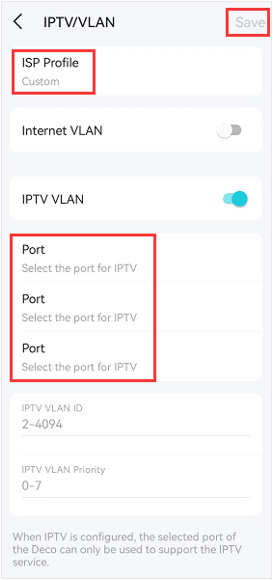
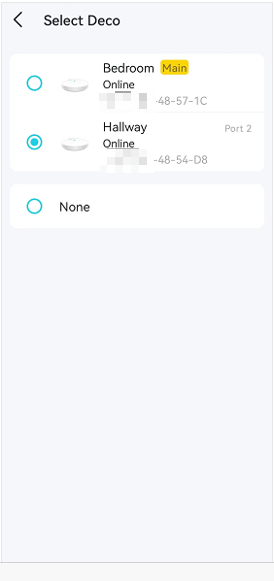
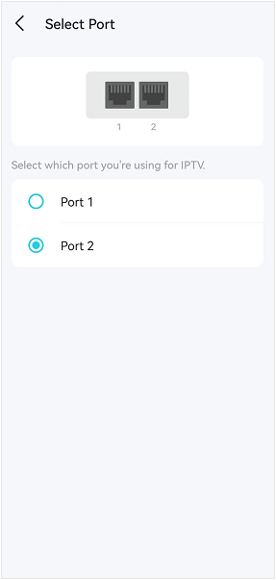
Note:
- The selected port on the Deco can only be used to support the IPTV service when IPTV is configured.
- The IPTV/VLAN page and the ISP list may vary slightly by model due to different software versions, which will be synchronized in future firmware updates.
Step 3: Save Your Settings
Tap Save in the top-right corner to complete the setup.
Once configured, connect your IPTV device — such as a set-top box — to the designated IPTV port on your Deco.
Other wired devices connected to the IPTV port will not have internet access.
Looking For More
Ez a GY.I.K. hasznos volt?
Véleménye segíti az oldal fejlesztését

_normal_20230201014617x.png)


TP-Link Community
Still need help? Search for answers, ask questions, and get help from TP-Link experts and other users around the world.