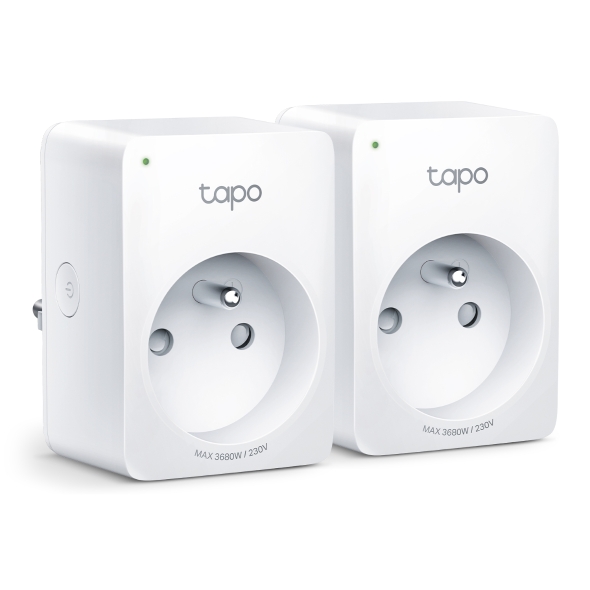
Do TP-Link smart plugs and power strips support single-pole or double-pole?
 87549
87549Introduction
A single-pole switch controls a single circuit path, typically by opening or closing one conductor to turn a load on or off. It has a simple structure and is commonly used in lighting and basic electrical control applications. A double-pole switch, by contrast, can control two circuit paths simultaneously with a single operation and is typically used in applications where two conductors must be switched simultaneously, such as higher-power or more integrated electrical systems. Both single-pole and double-pole switches on TP-Link smart plugs are designed and certified to meet local safety standards, and there is no difference in user safety under normal use.
Key Concepts
- SPST – Single Pole Single Throw: When the switch is turned off, only the live wire (L) is disconnected. In most residential electrical systems, disconnecting the live wire is sufficient to cut off power to the load.
- DPDT – Dual Pole Dual Throw: When the switch is turned off, the live wire (L) and the neutral wire (N) are disconnected.
Applications
The choice between single-pole and double-pole designs is primarily driven by local regulatory and certification requirements, rather than differences in product safety performance.
- Most regions: Plugs shipped to most regions are single-pole types, including the United States, Europe, and the United Kingdom markets.
- Australia region: Due to local certification requirements mandating double-pole disconnection when switched off, all plugs and power strip products shipped to Australia use double-pole switches.
- Korea region: Owing to mandatory local regulatory requirements, Tapo P300M (KR) V1.0 adopts a double-pole switch, while all other Korea models use single-pole switches.
Est-ce que ce FAQ a été utile ?
Vos commentaires nous aideront à améliorer ce site.