
How to Log In to the TP-Link DSL Modem Router Web Management Page: tplinkmodem.net and 192.168.1.1
The web management page is the built-in interface for configuring your TP-Link DSL modem router. You can reach it by entering tplinkmodem.net or 192.168.1.1 in your browser's address bar. No Internet connection is required — only a local connection to the modem. This guide covers step-by-step access for both wired and wireless connections.
Key Takeaways
- The TP-Link DSL modem router web management page can be accessed by entering tplinkmodem.net or 192.168.1.1 in your browser's address bar.
- No Internet connection is required — your device only needs to be connected to the router via Ethernet cable or Wi-Fi.
- Firefox, Chrome, and Edge are the recommended browsers for accessing the web management page.
- If your browser displays a "Privacy Error" warning, click Advanced and proceed to tplinkmodem.net or 192.168.1.1 — this is normal behavior caused by the router's self-signed certificate.
- On first login, you will be prompted to set an administrator password. On some older models, the default username and password are both "admin."
How to Access the Web Management Page
The web-based management page runs on a built-in internal web server and does not require internet access. However, it requires that your device be connected to the modem router, wired or wirelessly.
Note: Older browsers may experience login failures or missing features. For changes to wireless settings or firmware updates, a wired connection is recommended.
Step 1. Connect Your Device to the TP-Link Modem Router
Method 1: Wired
Connect the computer’s Ethernet port to one of the router's LAN ports with an Ethernet cable.
Method 2: Wireless
Ensure the wireless device connects to the TP-Link modem router’s Wi-Fi network. If you forget the password, reset the router and use the default Wi-Fi name and password on its label.
Step 2. Access The Web Management Page
It's recommended to use Firefox, Chrome, or Edge to access the router's web management page.
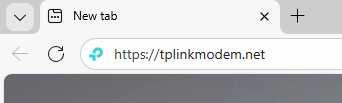
Launch a web browser. At the top of the window, in the address bar, type https://tplinkmodem.net or 192.168.1.1, then press Enter.
Step 3 (Optional). Allow Access To The Web Management Page
If your browser displays a "Privacy Error" warning about an insecure connection, click Advanced and select Proceed to tplinkmodem.net (unsafe) or Proceed to 192.168.1.1 (unsafe) to continue; if this warning doesn't appear, skip directly to Step 4.
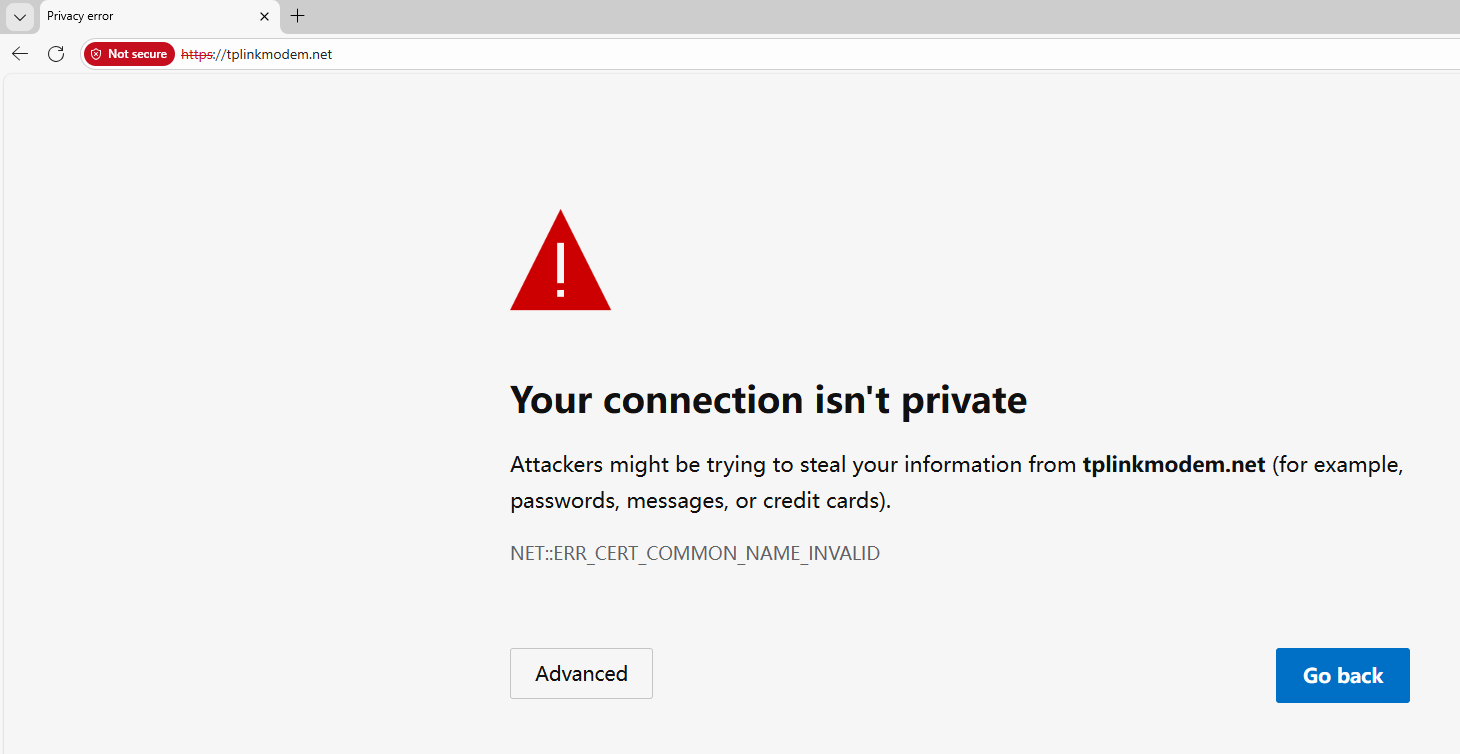
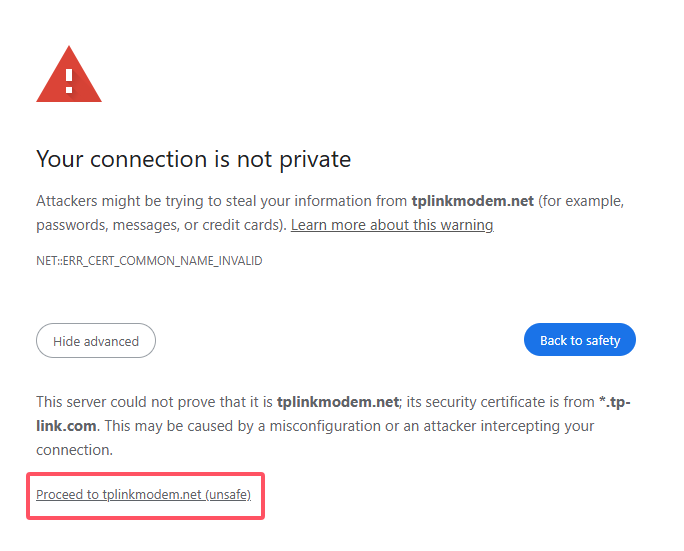
A warning message will appear because tplinkmodem.net uses a self-signed certificate rather than one issued by a trusted authority. This is normal, and your connection remains secure.
For details, see: Why TP-Link HTTPS web interface is detected as unsecure by some web browsers?
Step 4. Set / Enter Password To Sign In
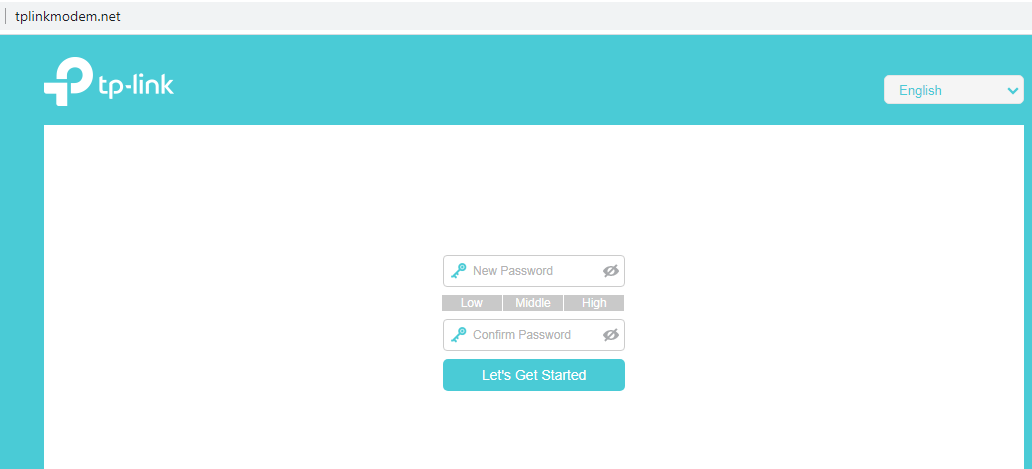
When first accessing the system, set a secure administrator account (for some models, the default username and password are both admin).
If you've previously managed the device via the web interface or Tether app, enter your existing password. If the device has been linked to a TP-Link ID, sign in with your TP-Link account credentials instead.
If you can't access the web management page and see errors like "no internet" or "the website can't be reached", see why can't I log in to the web management utility of the TP-Link device.
To learn more about each function and configuration, please visit the Download Center to download the manual for your product.
Ez a GY.I.K. hasznos volt?
Véleménye segíti az oldal fejlesztését

3.0-F1_1529482239075s.jpg)


TP-Link Community
Still need help? Search for answers, ask questions, and get help from TP-Link experts and other users around the world.