
What Is Wi-Fi Link Speed and How to Check It on Windows, Mac, and Android
Wi-Fi link speed (also called associated speed) is the maximum negotiated speed between two devices, determined by their individual capabilities and signal quality. Checking your Wi-Fi link speed helps you understand the connection your device has negotiated with your router and can be a useful starting point when troubleshooting slow speeds. This guide covers how to check link speed on Windows, Mac, and Android devices.
Key Takeaways
- Wi-Fi link speed (also called associated speed) is the maximum speed negotiated between two devices based on their individual ceiling speed and the quality of the wireless link.
- The actual transmitting speed over 802.11 wireless is typically 40–60% of the link speed due to wireless interference and overhead.
- On Windows, link speed can be checked via the Wi-Fi adapter status in Network Connections (ncpa.cpl) or through the Network and Sharing Center.
- On macOS, holding the Option key and clicking the Wi-Fi icon in the menu bar reveals the Tx Rate, which is the link speed.
- On Android, link speed can be found in Settings > Wi-Fi, then by tapping the connected network.
What Is Wi-Fi Link Speed?
Two devices negotiate the maximum link speed between them based on their individual ceiling speed and signal quality. For 802.11 wireless connections, the nature of wireless interference and overheads mean the actual transmission speed is typically 40–60% of the associated speed.
How to Check Your Wi-Fi Link Speed
Windows
Press Windows key + R, type ncpa.cpl, right-click the Wi-Fi or Wireless Network Connection, then select Status.
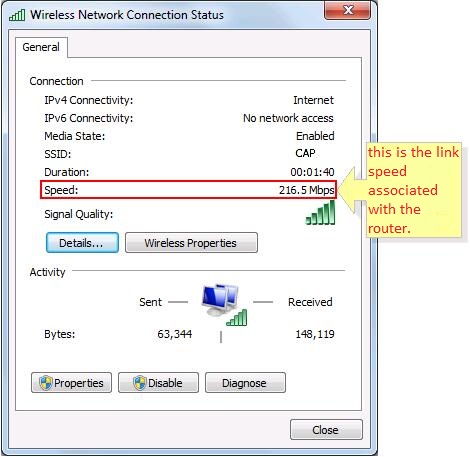
Alternatively, go to Settings > Network and Sharing Center > Change adapter options, then left-click on the Wi-Fi adapter to see the link speed.
Mac OS
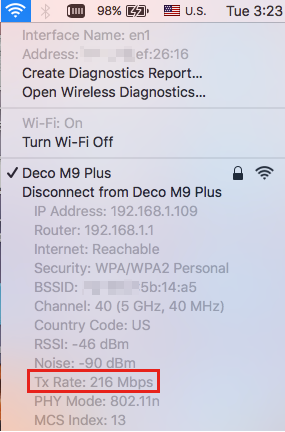
Hold the Option key and click the Wi-Fi symbol in the upper-right corner of the screen. The details panel will appear. The Tx Rate shown is the link speed.
Android
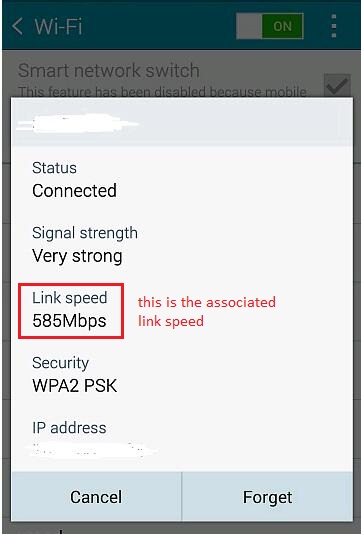
Go to Settings > Wi-Fi, then tap the network your device is currently connected to.
Looking for More
Is this faq useful?
Your feedback helps improve this site.



TP-Link Community
Still need help? Search for answers, ask questions, and get help from TP-Link experts and other users around the world.