
Why Dual-Lens Security Cameras Are the Future of Home Protection
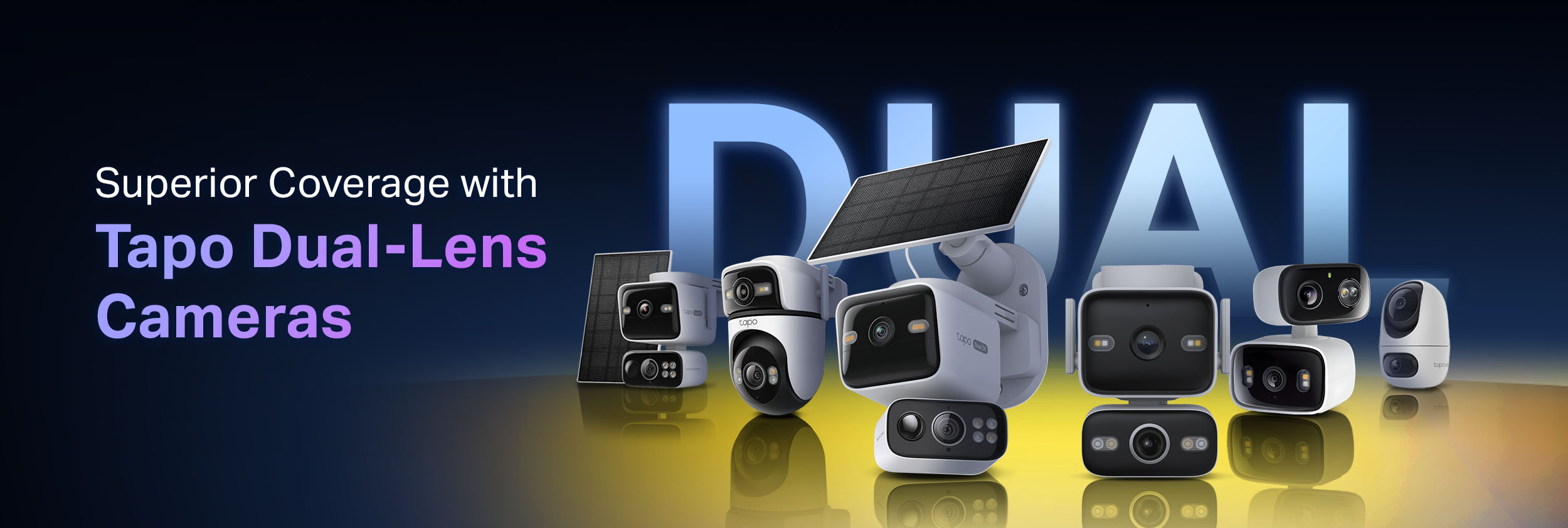
Dual-Lens Security Cameras: A Smarter Way to See Your Home
Home security today is not just about recording footage. What matters is understanding what is happening in real time, with both clarity and context.
Most traditional security cameras rely on a single lens. While simple, this creates a clear limitation. You can only see one angle at a time. In practice, that often means choosing between a wider view of the area or a closer look at important details.
This trade-off can lead to missed context. You may see what is happening, but not how it started or where it came from.
Dual-lens security cameras are designed to solve this problem.
Seeing More in a Simpler Way
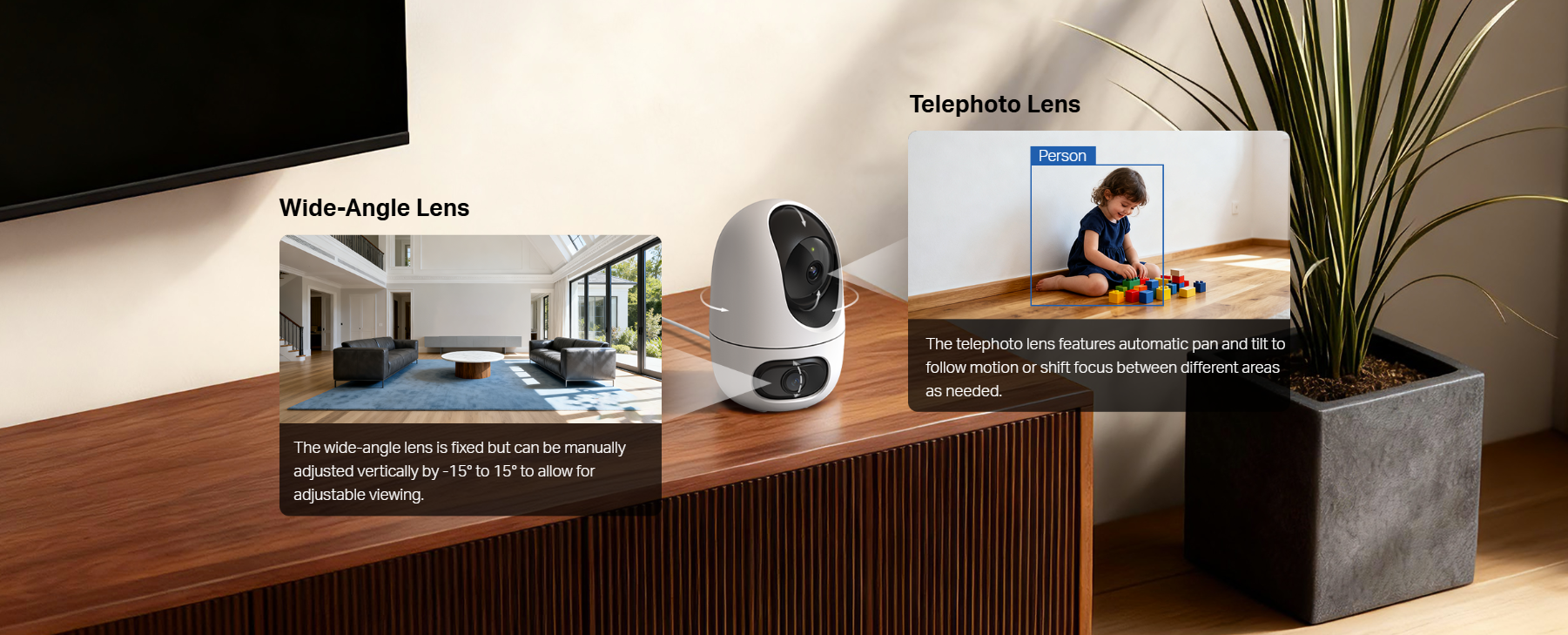
A dual-lens camera combines two perspectives into a single device. One lens captures the overall scene, while the other focuses on key details. Both views are available at the same time, without switching between feeds.
This makes monitoring more natural. Instead of checking multiple cameras or adjusting angles, everything is visible in one place.
From Blind Spots to Full Coverage
Single-lens cameras often leave gaps. Even with careful placement, activity can happen just outside the frame.
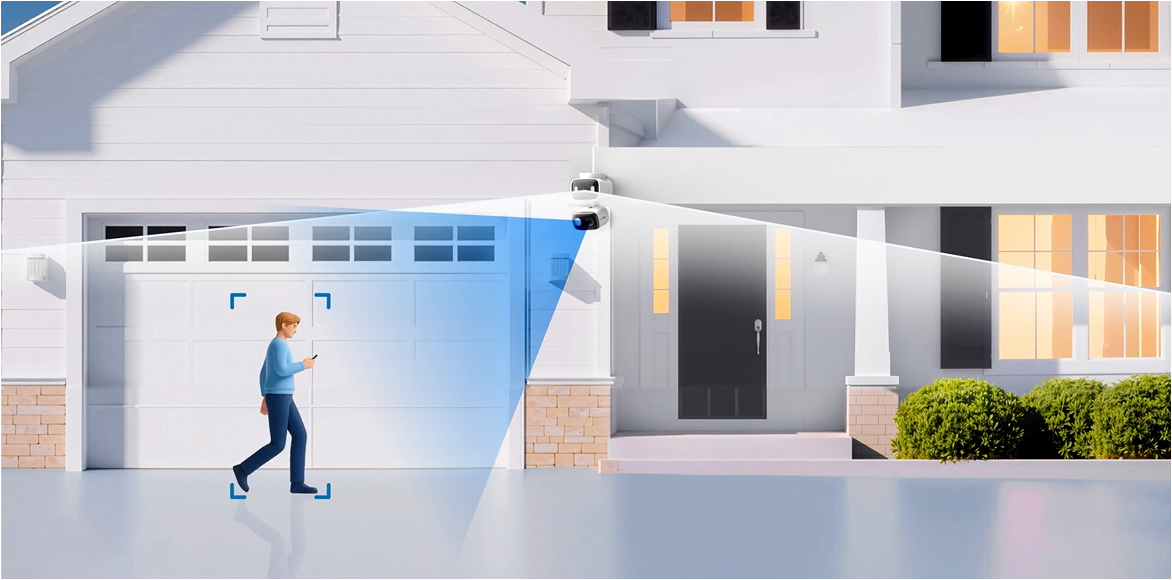
At the front door, you may see someone standing there, but not how they approached. In a driveway, you might catch part of a movement but miss the full path. In a backyard, it is common to switch between a wide view and a closer view, without ever seeing both clearly at once.
A dual-lens camera reduces these gaps by providing both coverage and detail together. This gives a more complete view of what is happening, without the need to piece things together.
Single Lens vs Dual-Lens: A Practical Comparison
The difference becomes clearer when looking at real-life situations:
|
Scenario |
Traditional Camera (Single Lens) |
Dual-Lens Camera |
|
Front Door Delivery |
See the person, but not how they arrived |
See both the approach path and the person |
|
Driveway Monitoring |
Partial visibility |
Full area coverage with clear detail |
|
Backyard Activity |
Wide view or zoom, but not both |
Full yard view with clear tracking of pets or children |
|
Living Room |
Hard to balance full view and focus |
Full room and key activity are visible together |
|
Unexpected Visitor |
Limited context |
Clear view of movement and actions |
Instead of choosing what to see, you can see everything that matters at the same time.
A Simpler Alternative to Multiple Cameras
To cover more space, many homes install multiple cameras. This improves visibility but also increases cost and complexity.
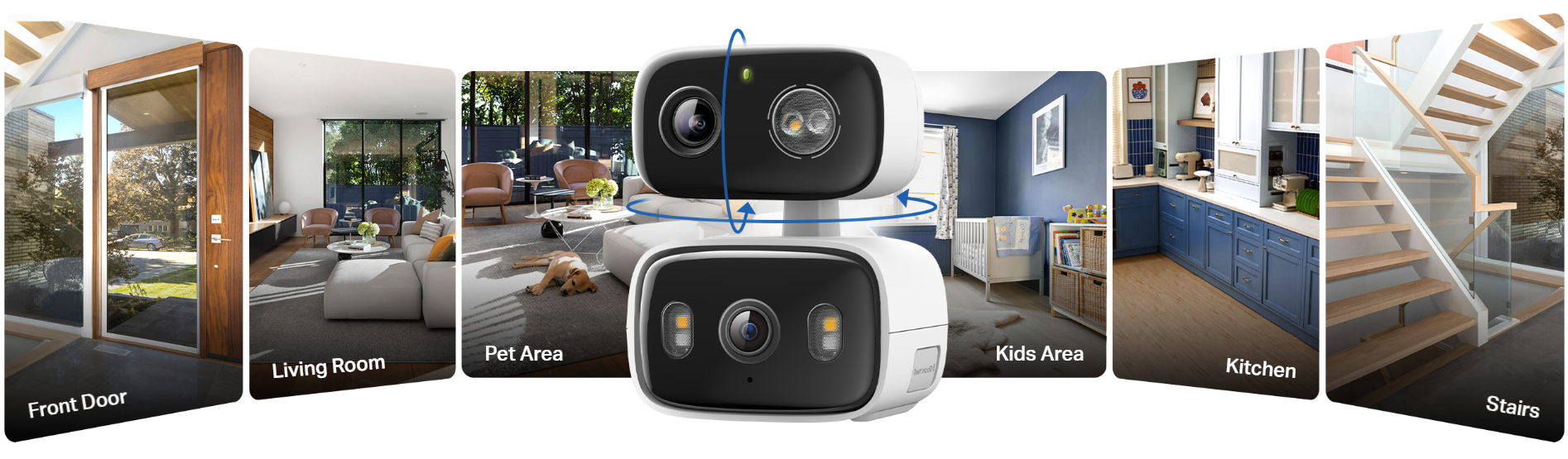
A dual-lens camera offers a simpler approach. One device can cover what would normally require two cameras. Installation is easier, and monitoring becomes more straightforward with a single view.
Designed for Everyday Use
In most homes, key areas are connected. A front yard leads into a driveway. A backyard often requires both wide coverage and close monitoring. Indoors, open spaces like living rooms and hallways create natural blind spots.
Dual-Lens cameras are built for these situations. They allow you to monitor connected areas at the same time, making everyday use more convenient and complete.
Explore Tapo Dual-Lens Cameras
Tapo offers a range of dual-lens security cameras designed to suit different home setups and user needs.
Whether you are monitoring indoor spaces or outdoor areas, there are options available for both environments. You can choose between plug-in models for continuous power or battery-powered models for more flexible placement. Different resolution options are also available, allowing you to prioritise either broader coverage or higher image detail depending on your needs.
Available models include:
- Tapo C246D
- Tapo C245D
- Tapo C675D KIT (Coming Soon)
- Tapo C645D KIT
- Tapo C575D (Coming Soon)
- Tapo C545D
Each model is built around the same core idea: providing a more complete view with less complexity.
Final Thought
You do not need more cameras to see more.
You just need a smarter way to see.
