How to Use DORI Standards to Evaluate VIGI Camera Viewing Capabilities
Contents
Selection and Application Guidance
Introduction
DORI, standing for Detection, Observation, Recognition, and Identification, is a reference standard tailored for cameras, based on the IEC EN62676-4:2015 international standard, to assess their visual range. This measurement method is typically expressed in PPM (Pixels per Meter), defining the count of pixels within a one-meter width at a designated distance from the camera. By employing these PPM values, cameras can be objectively evaluated based on their sensor/lens combination, enabling an unbiased comparison of each camera's long-distance magnification capability and verifying its ability to meet customer performance requirements.
Key Concepts
The DORI standard encompasses four distinct levels: Detection, Observation, Recognition, and Identification. Each level is defined by a specific PPM value and is intended for different use cases.
DORI Standards Explained
Detection
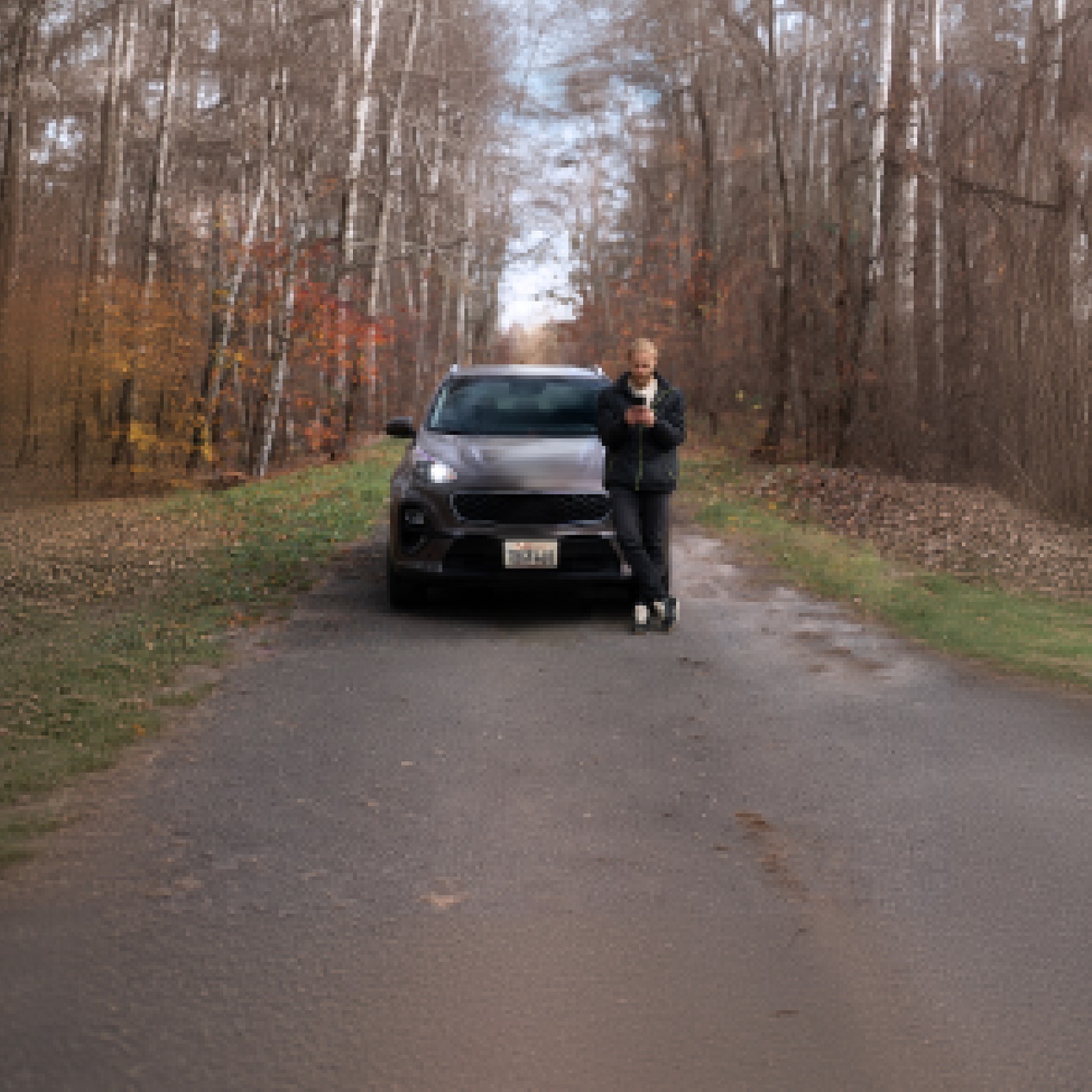
The Detection level is set at 25 PPM, allowing for reliable and straightforward determination of the presence of a person or vehicle, though few details will be discernible.
Observation
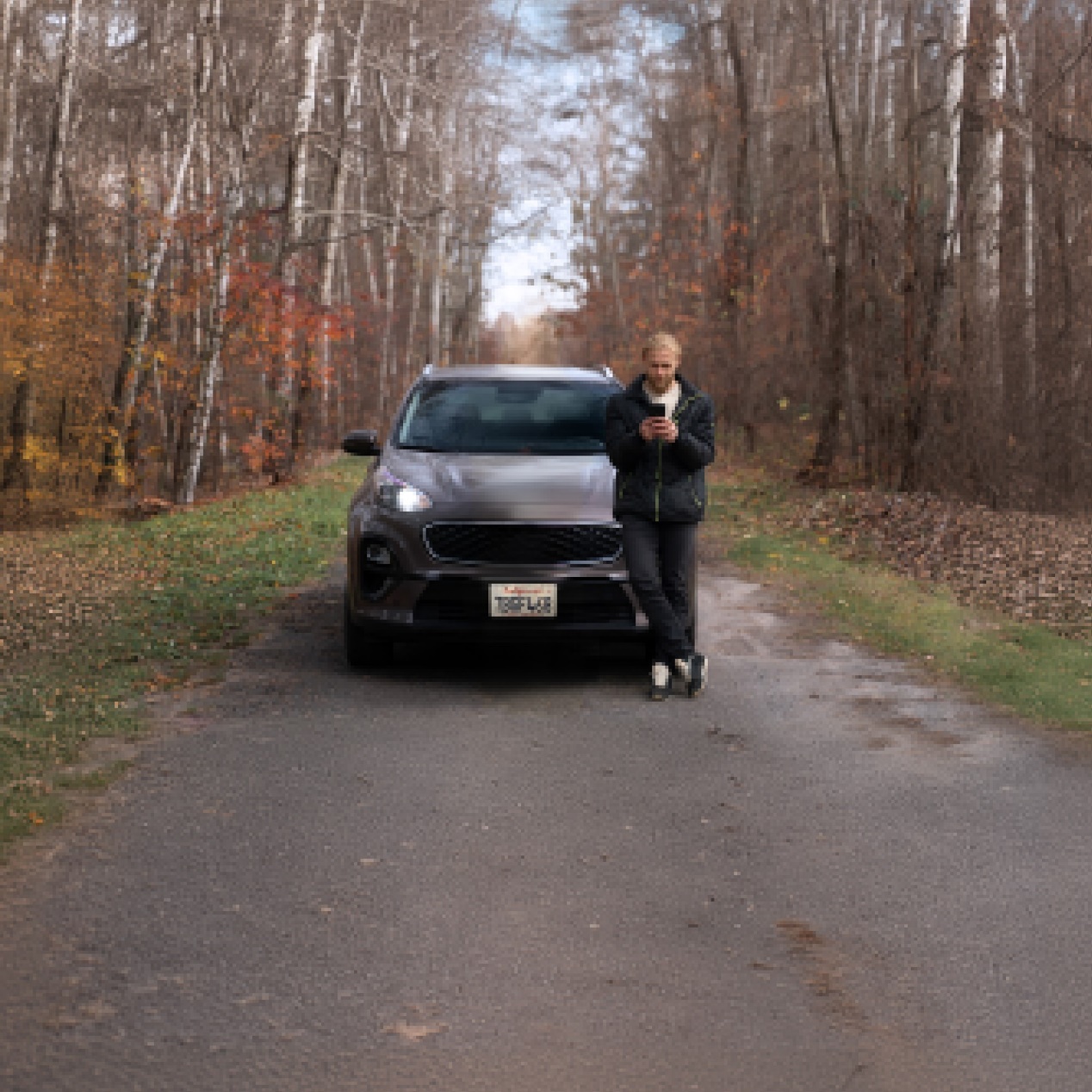
The Observation level, set at 62 PPM, offers distinctive details of an individual, such as distinctive clothing or unique physical characteristics. This level also provides a broader perspective of the activities surrounding an incident, providing context and assisting in comprehensive incident analysis.
Recognition
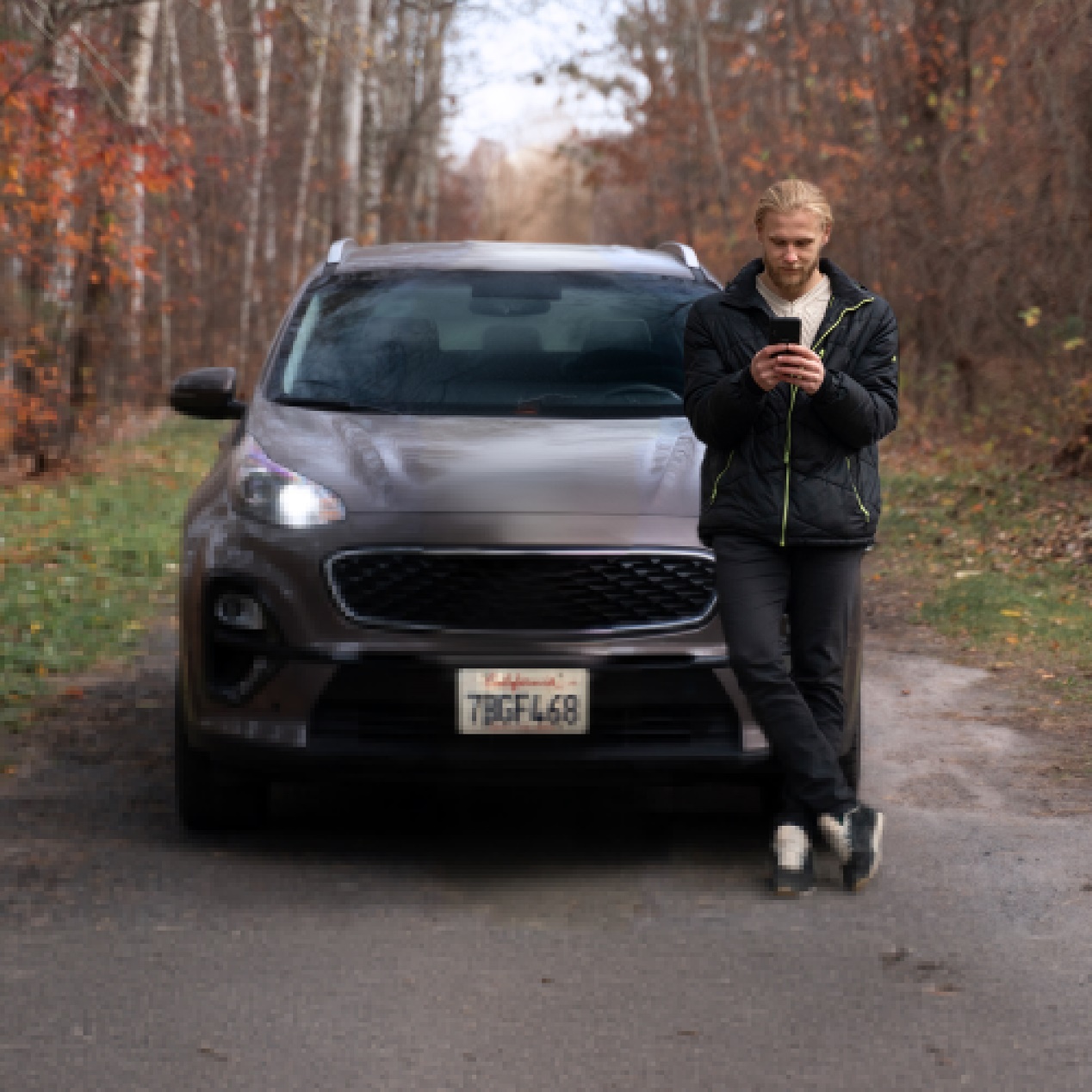
The Recognition level, established at 125 PPM, aims to ascertain, with a high degree of certainty, whether an individual appearing in the footage is identical to someone previously observed.
Identification
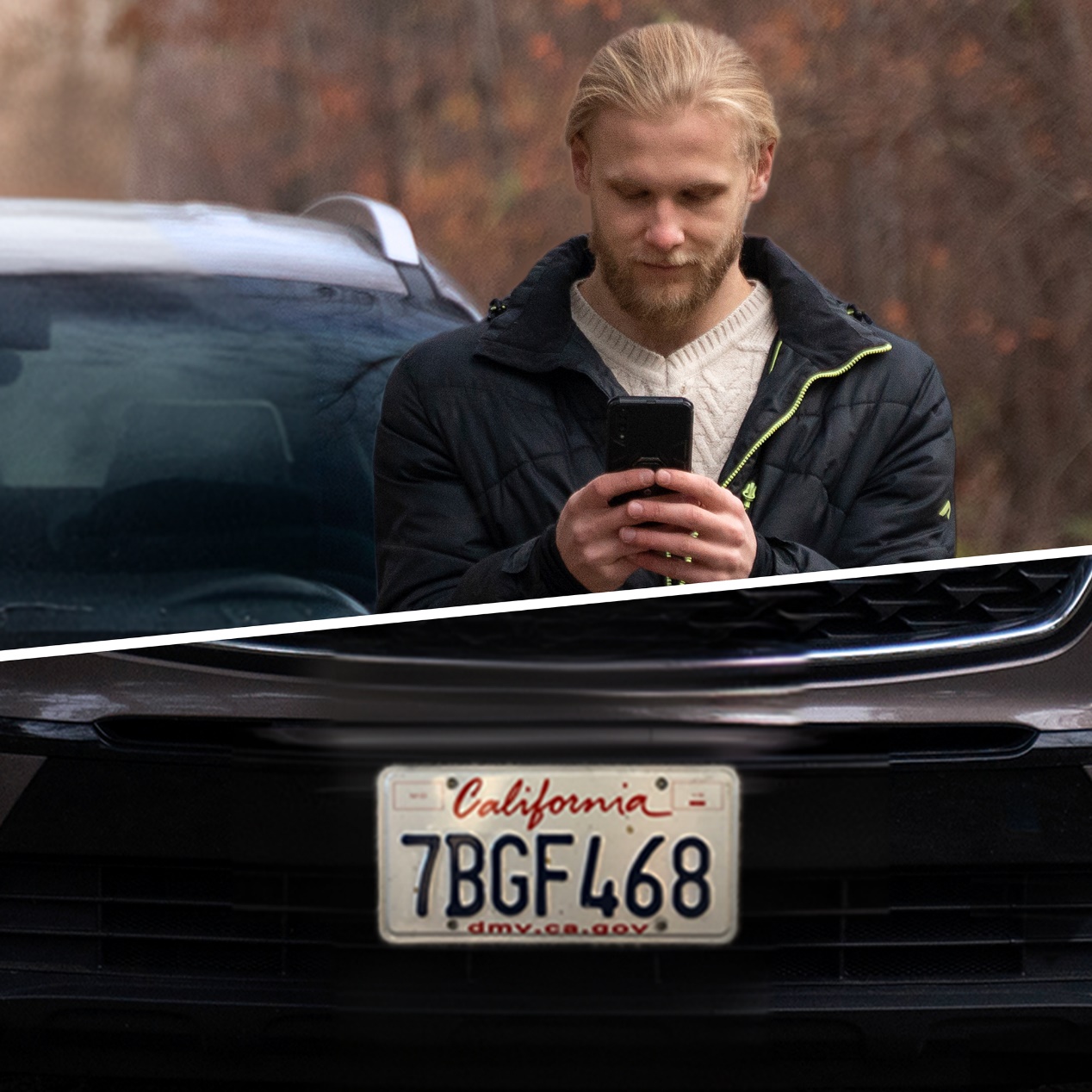
The Identification criterion, defined at a standard of 250 PPM, enables the unequivocal identification of an individual. This level of clarity is so precise that it allows for the confirmation of a person's identity beyond any reasonable doubt, making it especially useful in high-security scenarios and investigations.
Key Factors Affecting DORI
The focal length and resolution of a camera will significantly influence its DORI performance.
Factor 1. Focal length
Focal length directly affects the camera's field of view and viewing distance.
At the same level, longer lenses or smaller sensors result in a narrower field of view, while shorter lenses or larger sensors provide a wider view. Thus, a longer focal length allows for a greater distance to be seen, which means that an object of the same 1m size will achieve the same PPM at a greater distance with a camera having a longer focal length compared to a shorter one. Therefore, for a given DORI effect, a long-focal-length camera can see farther, but at the same time, its field of view is more constricted.
Factor 2. Sensor resolution
Resolution determines the amount of image detail captured within the camera's field of view.
Higher-resolution cameras contain more pixels, allowing them to display finer details. For instance, a 2MP camera and an 8MP camera have a resolution difference of fourfold. This means that, at the same approximate distance of 1 meter, the 8MP camera, with four times as many pixels as the 2MP one, can depict the scene with greater clarity. Similarly, at the same PPM value, the 8MP camera can observe from a greater distance.
Factor 3. Other Influences
Other factors such as lens quality, lighting conditions, and sensor sensitivity can also impact the final image quality and DORI performance, though focal length and resolution remain the most significant.
Selection and Application Guidance
When selecting a camera, it's crucial to first establish the required DORI image quality based on the type and size of the surveillance scene.
For instance, when facial surveillance is required, to ensure clear images of faces are captured, it's ideal to select the appropriate camera based on the Identification level. Similarly, in settings like parking lots where clear license plate information is needed, choosing a camera at the Identification level is similarly advisable.
When capturing general human and vehicle shapes at a store entrance or similar setting, opt for the Recognition level when selecting the Camera to ensure clear images of passing vehicles and pedestrians are captured.
When the surveillance area is expansive, and only human or vehicle shapes need to be captured from a distance, the Observation level is suitable for selecting the appropriate Camera model.
Additionally, should additional functionalities be required, it is essential to consider the specific needs and elevate the DORI level of the Camera accordingly.
Lastly, based on individual usage preferences and the field of view needed for the surveillance area, determine the appropriate focal length range. Select the model that meets the requirements at that focal length.
Below is the DORI List for different VIGI cameras; we can refer to that list to filter the camera first.
|
|
Identification |
Recognition |
Observation |
Detection |
||||||||||||||||
2MP |
3MP |
4MP |
5MP |
8MP |
2MP |
3MP |
4MP |
5MP |
8MP |
2MP |
3MP |
4MP |
5MP |
8MP |
2MP |
3MP |
4MP |
5MP |
8MP |
|
2.8mm |
5m |
5m |
6m |
6m |
8m |
9m |
10m |
12m |
12m |
17m |
19m |
22m |
25m |
26m |
35m |
45m |
52m |
60m |
63m |
85m |
4mm |
6m |
7m |
8m |
8m |
11m |
12m |
14m |
16m |
16m |
21m |
25m |
29m |
33m |
33m |
44m |
60m |
70m |
80m |
80m |
107m |
6mm |
9m |
10m |
12m |
12m |
/ |
18m |
20m |
24m |
24m |
/ |
38m |
41m |
50m |
50m |
/ |
91m |
100m |
120m |
120m |
/ |
Note: Each value represents the maximum distance (in meters) at which the camera can achieve the corresponding DORI level with the given resolution and focal length.
Conclusion
DORI provides a standardized way to evaluate camera viewing capabilities. By understanding the relationship between DORI levels, focal length, and resolution, you can select the most suitable VIGI camera for your surveillance requirements and achieve the desired monitoring results.
To learn more about each function and configuration, please visit Support Home to download or check the manual for your product.
Looking For More
هل تجد هذه الأسئلة مفيدة؟
مشاركتك تساعدنا في تحسين الموقع



TP-Link Community
Still need help? Search for answers, ask questions, and get help from TP-Link experts and other users around the world.