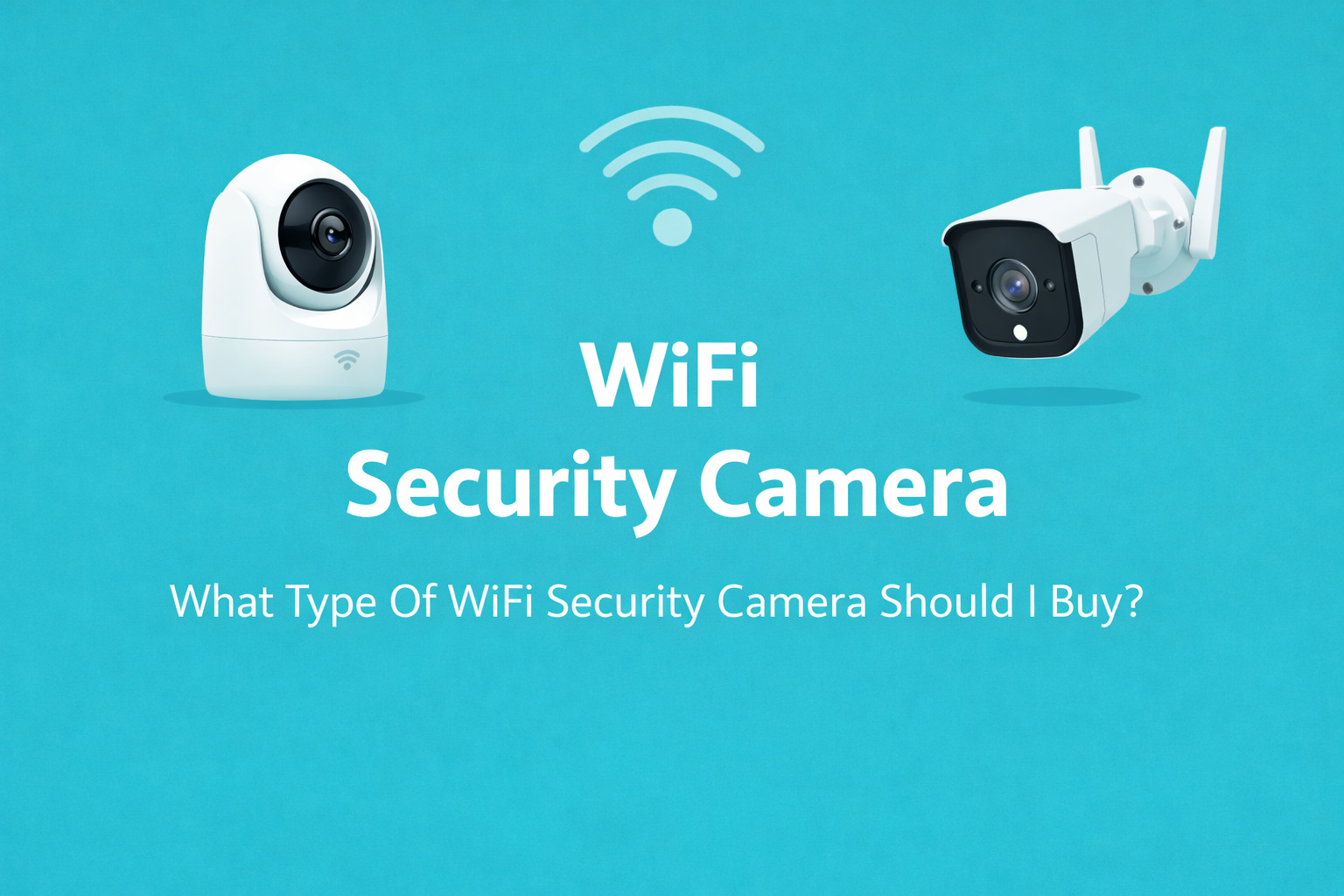
Choosing the Right Camera: Types & Features For Your Needs
The foundation of every modern security and surveillance system is a camera. The purpose of a camera is to ensure safety along with trustworthiness for houses, small-scale enterprises, and large-scale commercial applications. Modern cameras use their advanced hardware and intelligent software and network solutions for live monitoring and data-driven action beyond their video recording capacity.
As global security needs continue to rise, the demand for cameras is rapidly increasing. According to the Security World Market, the global video surveillance market will grow to over $80 billion by 2028.
Choosing the right camera is important because it helps to dictate the potential impact of the security, operational efficiency, and long-term sustainability.
What Is a Camera?
A camera is a tool to capture visible information in clear pictures or in video form. In a surveillance system, a camera records activities within a set perimeter and sends that footage to a monitoring system for live viewing, playback, or analysis.
These days, security cameras are treated as standalone and networked devices—they are capable of attaching to recorders, cloud platforms, or management software. The key features of this surveillance system include secure internet web connections, intelligent alerts, and centralized management.
Cameras are designed to deliver sharp images, reliable performance, and ease of integration.
Components of a Camera System
There are several components that work together in the system to deliver monitoring that is precise and reliable.
Hardware Components
-
Camera Lenses: The lens decides on a camera's field of vision and picture quality. Wide lenses can capture a larger field area in one snap, while varifocal lenses can magnify objects farthest away for a detailed look.
-
Image Sensors: The image sensor will convert rays into digital signals. The clarity of the picture, the color accuracy, and the low-light capability will be assured by high-quality sensors applicable for various types of day-and-night monitoring.
-
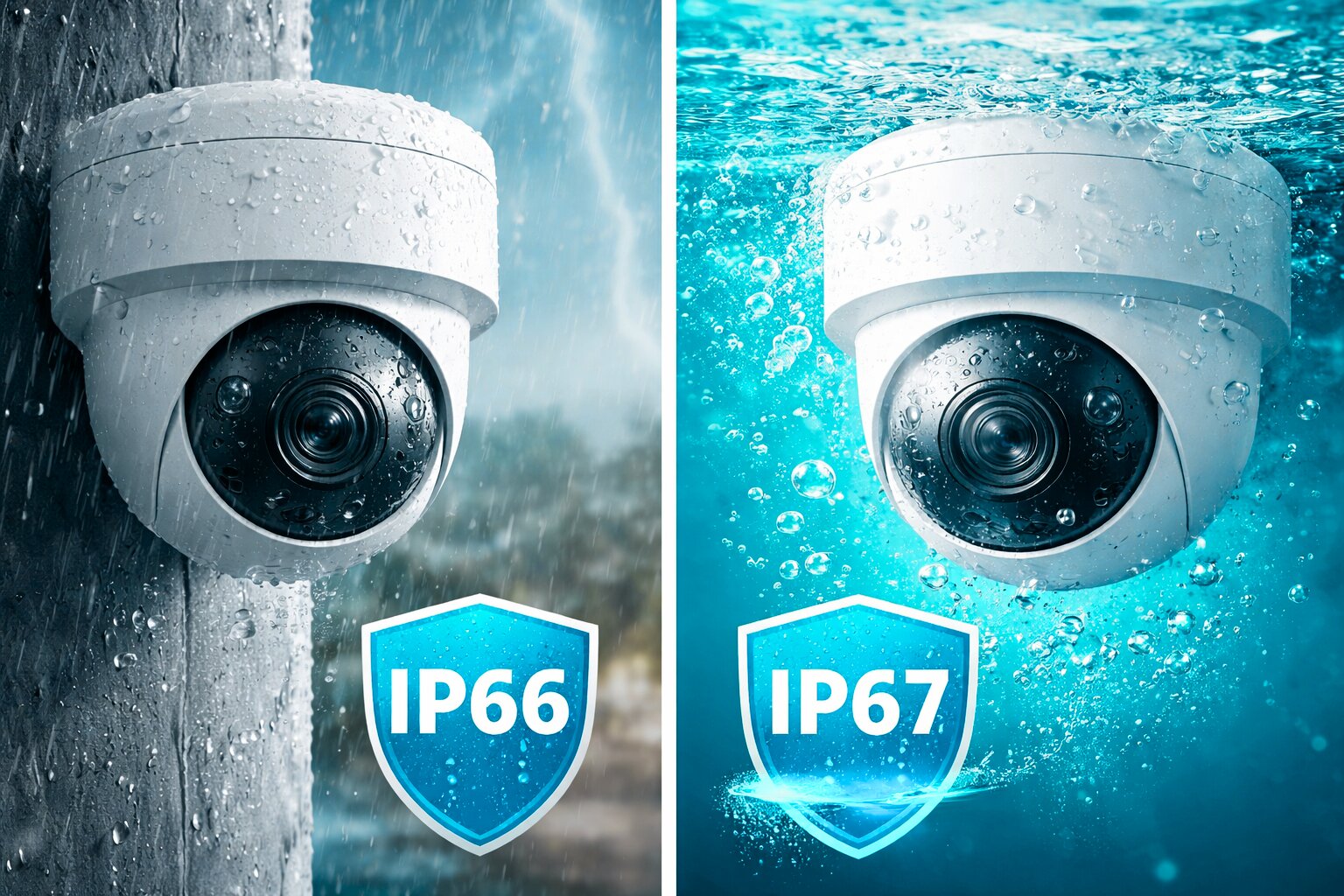
Enclosure and Structure: These structures are essential to bear solid housing for the camera, preventing the camera's miniature components from dust, water, and impacts. Any outdoor models are "weatherproof"; hence, someone expects durability throughout the life of the camera.
Software Components
-
Firmware for Cameras: The system controls all camera operations together with its image processing capabilities and its security protocols. The system needs to maintain its original security level through the minimum maintenance of firmware updates.
-
Video Management Software (VMS): VMS platforms let users view live feeds, record data for later reference, manage multiple cameras from a central location, and configure alerts for events. All the above-mentioned features allow users to benefit from advanced systems that could also support intelligent analytics and remote access.
Services
-
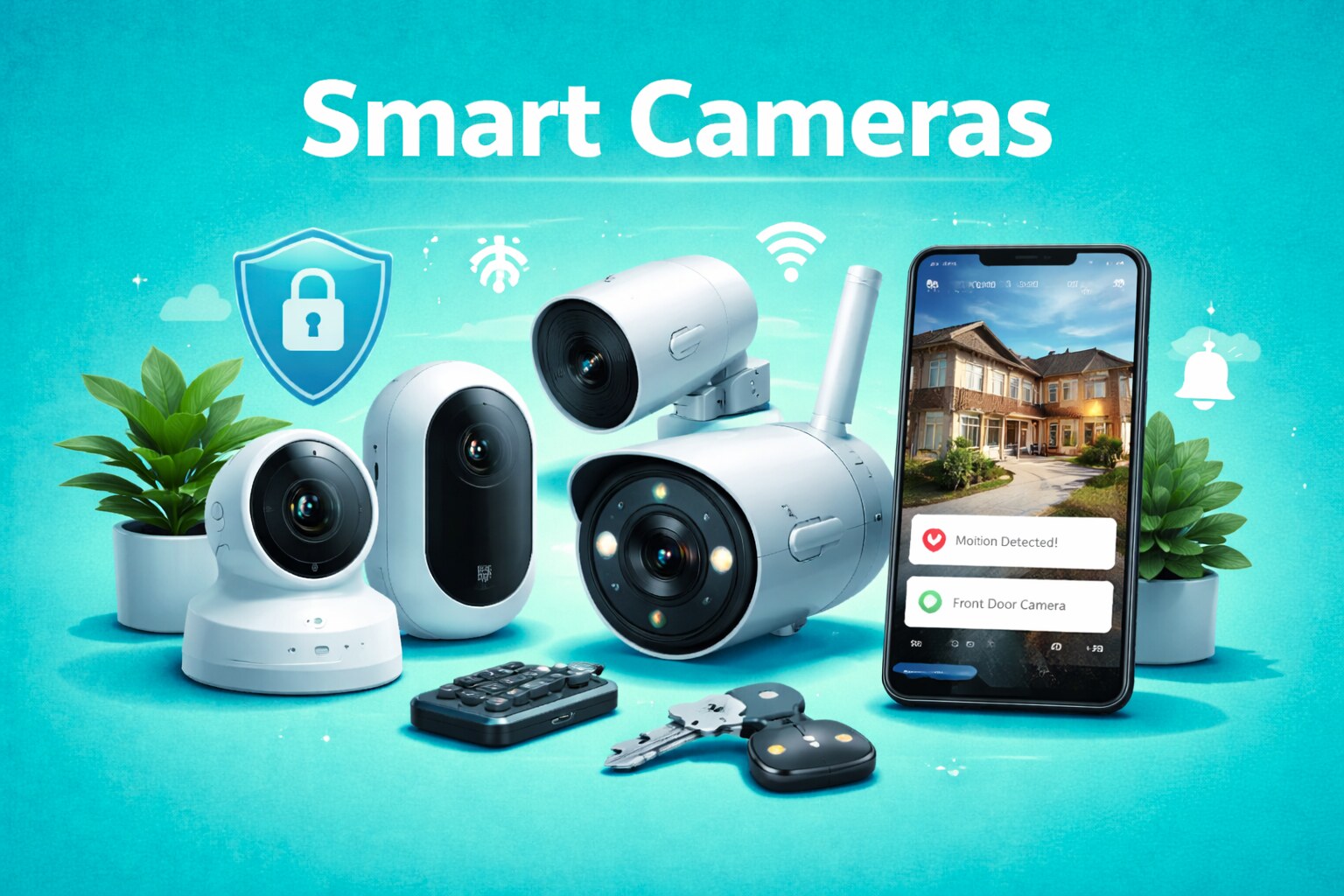
Remote Monitoring: Network-enabled cameras allow users to monitor live or recorded footage from anywhere using secure internet connections.
-
Cloud and Local Storage: Footage can be stored locally using recorders or on secure cloud platforms, ensuring accessibility and redundancy.
Protocols
-
IP Networking: Most modern cameras use IP-based communication, allowing seamless integration into existing networks.
-
Compression Standards: Video compression formats such as H. 265 reduces bandwidth usage while maintaining image quality, improving storage efficiency.
Types of Cameras
Cameras come in various designs, each suited to specific environments and use cases.
Dome Cameras
Dome cameras are ideal for places both inside and outside of a building because they are small and unobtrusive. Their design makes it harder for people to determine in which direction they are being watched, thereby promoting security.
Bullet Cameras
Bullet cameras are easily recognizable and very powerful for long-distance viewing. They are usually used for the purpose of perimeter monitoring.
PTZ Cameras
PTZ cameras offer pan, tilt and zoom functions, providing versatile motion and zoom capability. With this capability, the operator can follow a subject in a wide area in true real-time.
Indoor Cameras
The cameras operating within the building confines are small, compact, and very clear on image and can be used in office spaces, retail spaces, or homes.
Outdoor Cameras
Designed with the ability to withstand demanding weather conditions while offering constant performance day in and day out.
Why You Need a Security Camera System
Installing a security camera system is essential for both protecting your property and enhancing your peace of mind. Modern camera systems provide real-time monitoring, which enables you to view your home or business from any location using a smartphone or computer.
Criminals face strong resistance because the presence of cameras serves as a major deterrent against their illegal activities. The security cameras present two functions because they stop crimes from occurring, while they become essential for producing evidence during break-ins and accidents and disputes which law enforcement and insurance companies require.
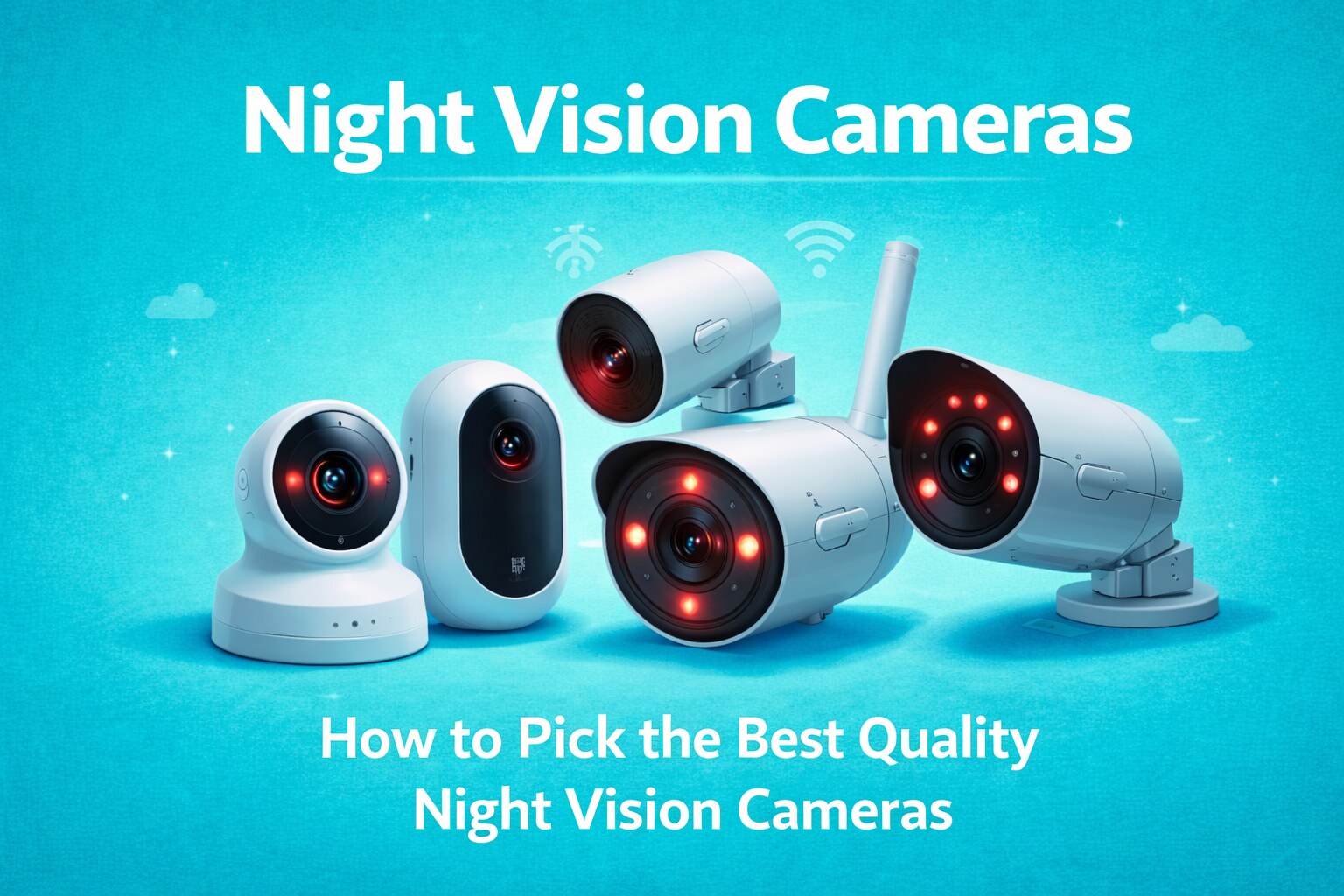
The advanced systems provide users with features that include motion detection, night vision and cloud storage to ensure they record all essential events. A security camera system serves as an effective safety solution that protects both people and their property while it enables organizations to keep track of their operational activities.
Key Camera Features to Consider
When choosing a camera to buy, it is important to understand the key features that directly affect performance and security.
Resolution and Image Quality
Higher resolution cameras represent details much more clearly and are essential when identifying suspects and re-examining any footage by the authorities.
Night Vision
Infrared and low-light-technology cameras are able to give clear images even in complete darkness.
Wide Dynamic Range (WDR)
WDR balances light and dark areas within a frame, ensuring clear images in challenging lighting conditions.
Motion Detection and Smart Analytics
Modern cameras now use intelligent motion detection for reducing false alerts and focusing on meaningful incidents.
Audio Support
Some cameras provide audio recording, providing observers with added situational awareness.
Why The Right Camera Makes a Difference
The appropriate camera system provides continuous viewing of indoor areas together with reliable security documentation. The system improves operational efficiency through its ability to eliminate blind spots with its active monitoring capabilities.
Scalable camera systems can expand their coverage as they scale up without the need for replacing the infrastructure that's already in place. Additionally, security cameras provide protection for sensitive data through encryption and controlled access.
For all homeowners and businesses, investing in the right camera can provide good value and reliable protection.
Issues With Camera Selection
Despite all the advancements, selecting the right camera will depend on your needs.
-
Light: This is primary; however, it impacts image quality whenever camera low-light capabilities are less.
-
Coverage Planning: An incorrect placement would result in a "blind spot" that remains unseen or unnecessary overlap.
-
Storage and Bandwidth: High-resolution recording cameras need efficient compression techniques to handle their storage requirements and bandwidth needs, which helps them to prevent network congestion.
-
Maintenance and Updates: Regular deployment of updates and maintenance is a must to ensure that cameras remain secure and functional and can last longer.
Simple Best Practices for Camera Selection
-
Environmental Condition: Consider the placement of the camera, as the lighting condition and size of the area matter for options concerning indoor versus outdoor installation.
-
Give Way for the Quality: Select cameras with the appropriate resolution and night vision capabilities that you need.
-
Think Next Level: Only choose those systems that are capable of growing with your security or other needs.
-
Put Security as the Main Focus: Make sure cameras are connected with encryption, secure access control, and firmware updates at regular intervals.
-
Namely on Brand Safety: This is why industrial-grade products are intended to provide complete value and performance.
Widespread Usages of Cameras in Different Environments
Cameras can be used in different locations and establishments.
Dwelling Units
Cameras provide the property owners supervision at the entrance, safeguarding valued items and peace of mind.
Retail Markets and Offices
Corporations need to implement complete surveillance systems to support their business operations while preventing shoplifting activities because all store areas need to be monitored. The use of supervised cameras in work areas protects employees while creating a secure environment for their safety.
Warehouses and Industrial Sites
High-resolution cameras provide extensive coverage, ensuring surveillance in a difficult environment.
Public and Retail Areas
They assist in crowd management, asset protection, and incident investigation.
Which Camera Is Good For Home Security?
The best cameras for home monitoring are dome cameras with night vision and motion detection for most households. A good home security camera should have at least 1080p resolution, night vision, and motion detection to clearly monitor activity day and night.
The installation of Wi-Fi cameras proves simple because they enable remote access through smartphones, whereas wired or PoE cameras provide better network stability for larger residences.
The cameras become appropriate for typical home installations through their two-way audio capability, cloud and local storage options, and ability to merge with smart home systems.
Conclusion
It's really important to make the right choice of cameras while you build a secure and dependable security system. Knowing the types of cameras, the components that make them, and their features helps you select the right solution that fits your needs perfectly in the long run, retaining capable installation and service.
VIGI provides advanced camera systems that deliver dependable and smart monitoring capabilities for extended periods in their professional security systems. VIGI delivers a strong security solution that protects both residential and commercial properties through established technological systems.
Take a look at these cameras and seize control of your security.
Full‑Color Pan Tilt 4 MP Wi‑Fi Camera (VIGI C540‑W): The pan-tilt camera system provides 4 MP resolution capability and full-color night vision, which makes it suitable for monitoring extensive areas with multiple monitoring options.
VIGI C340-W Full‑Color Wi‑Fi Bullet Camera: The outdoor bullet camera provides exceptional 24/7 full-color video surveillance and wireless network capabilities, making it an ideal security solution for residential properties and small business establishments.
VIGI C440i Security Camera: The turret-shaped camera is compact and offers a distinct 4 MP full-color image in addition to intelligent detection technologies to send instant alerts.
Frequently Asked Questions
Do cameras work without the Internet?
Yes, cameras can record locally, though an Internet connection is necessary for remote viewing and alerts.
What is the time duration cameras save footage for?
It varies on resolution, compression, and storage capacity.
What is the difference between DVR and NVR?
DVR (Digital Video Recorder) works with analog cameras and converts the video signal to digital for recording. NVR (Network Video Recorder) works with IP cameras and records video directly in digital form over a network.
Are cameras secure from hacking?
Encrypting the feed, providing secure logins, and regular updates do a lot to protect professional cameras.
Can cameras be upgraded later?
Yes, a scalable camera system allows you to add on more units over time along with their related features.