How to Keep Your Home Safe with the Latest Smart Cameras
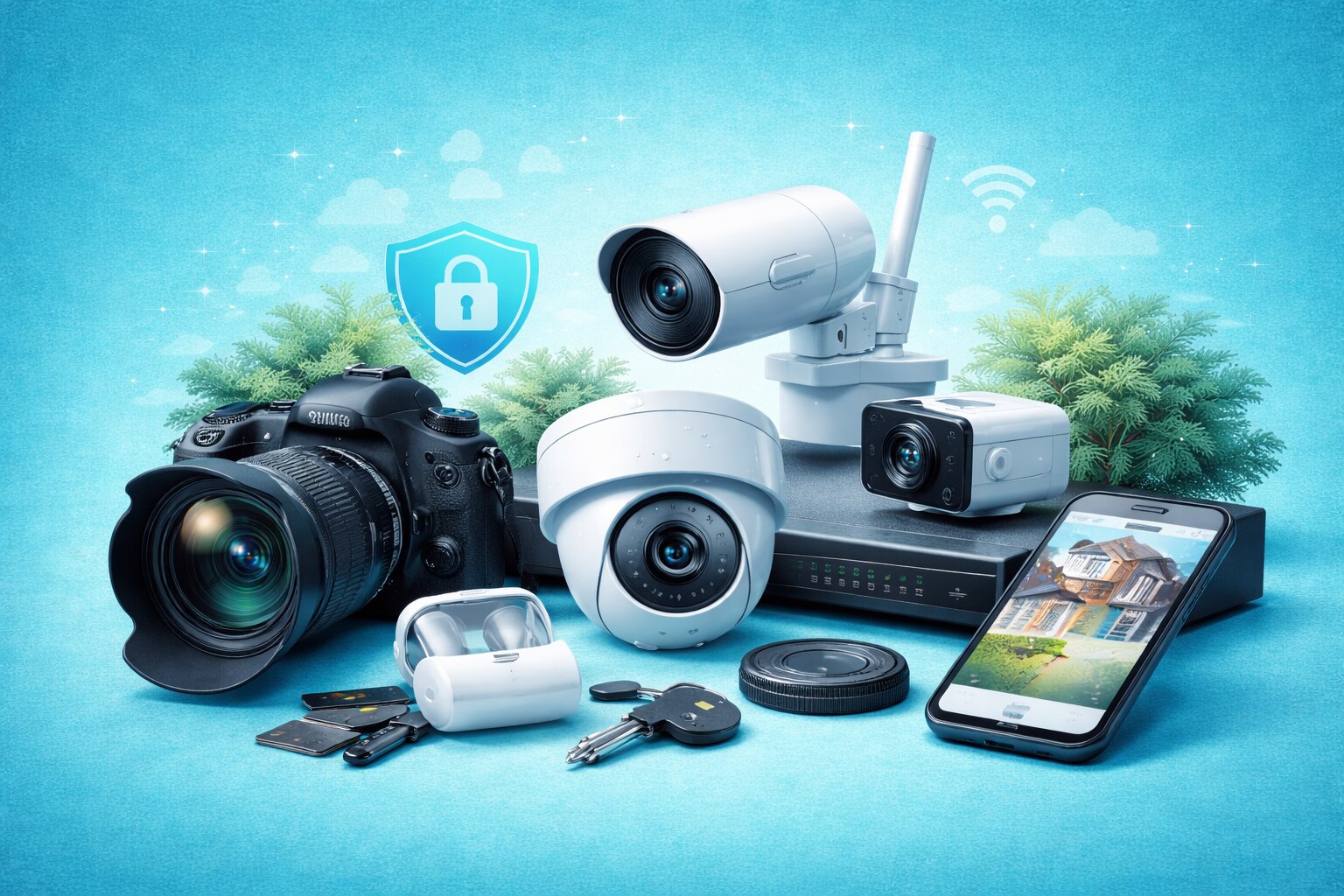
Home security is a top priority for families in 2026, as burglary and property crimes continue to rise globally. Smart technology has changed the way we protect our homes, and one of the most effective tools available today is the home security camera.
With advanced features such as motion detection, night vision, cloud storage, and remote monitoring, smart cameras allow homeowners to safeguard their property and loved ones while staying connected no matter where they are.
Below, you’ll learn the latest home security camera technology, how to use it effectively, and best practices to maximize your home safety.
Why Smart Cameras Are Essential for Home Security
A home security camera does not only function as a recording device, but it also serves as a deterrent, a monitoring tool, and a record keeper in case of incidents. The Philippine National Police claims that burglary at home is responsible for more than 30% of property crimes, which underlines the need for security measures to be taken in advance.
Benefits of smart cameras include:
-
Real-time monitoring: Receive alerts and live feeds directly on your phone.
-
Crime deterrence: Visible cameras discourage potential intruders.
-
Evidence collection: Recordings can be crucial for investigations and insurance claims.
-
Remote access: Check your property anytime, anywhere.
When connected to your home security system, smart cameras not only upgrade the safety level but also provide you comfort knowing that your property is being monitored 24/7.
What Is a Home Security Camera?
A smart home security camera is a digital device that makes video recordings of the areas around your house. Besides the basic CCTV systems, today’s intelligent cameras come with great functionalities, including:
-
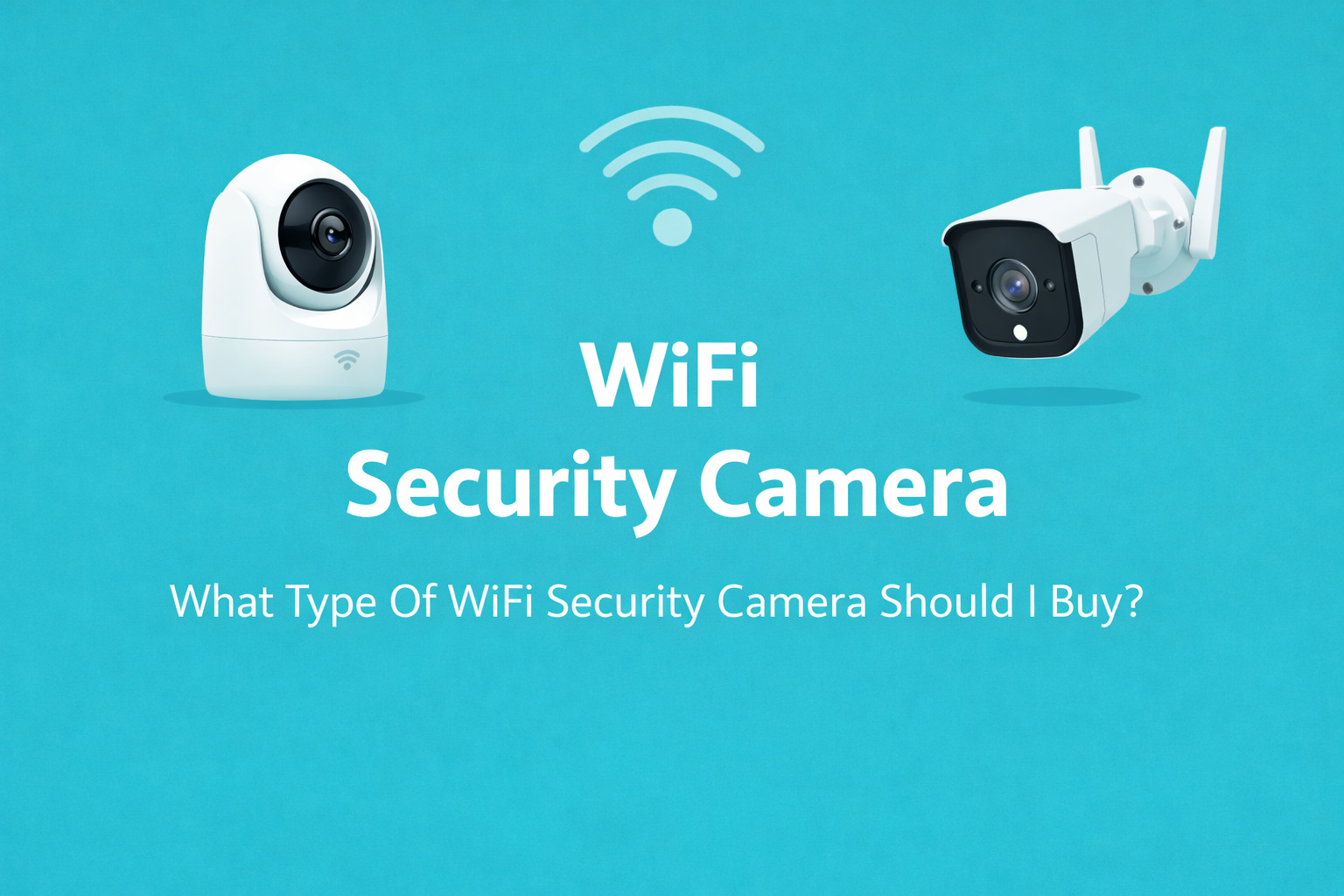
WiFi connectivity: Connects to your home network for remote access.
-
Cloud storage: Saves footage securely offsite, preventing tampering.
-
Motion detection and AI alerts: Detects unusual movement and sends instant notifications.
-
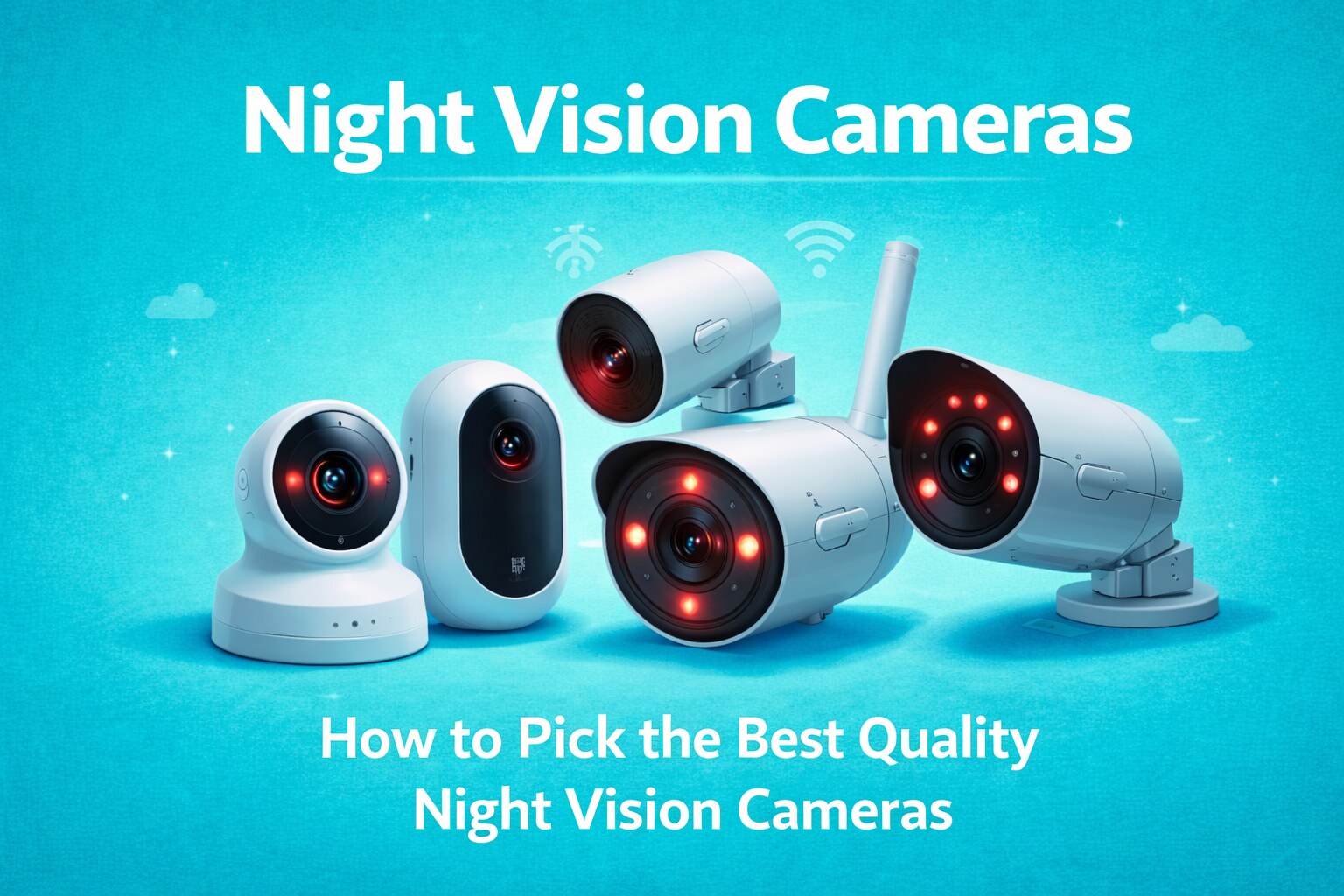
Night vision: Captures clear images in low-light or dark conditions.
-
Two-way audio: Allows communication with individuals near the camera, such as visitors or a delivery person.
Smart cameras can either be used indoors or outdoors, using electric cords and batteries to fit your house setup and the security you require.
Components of a Smart Home Security Camera System
To understand how these devices work, it’s helpful to know their key components:
1. Camera Hardware
-
Lens and sensor: Captures video in high resolution, with features like 1080p or 4K clarity.
-
Infrared LEDs: Enables night vision for round-the-clock monitoring.
-
Microphone and speaker: Facilitates two-way audio communication.
2. Software and Apps
-
Mobile applications: Provide real-time access, notifications, and system configuration.
-
AI algorithms: Detect unusual motion, facial recognition, or package delivery events.
-
Cloud platforms: Store footage securely and allow remote playback.
3. Connectivity
-
WiFi or Ethernet: Ensures stable connection for video streaming and alerts.
-
Power sources: Options include plug-in power, batteries, or solar panels for outdoor cameras.
Types of Home Security Cameras
Smart cameras can differ based on the layout of your home and security needs. Popular types include:
1. Indoor Cameras
Great for observing the living room, entrance, and baby room. Features are motion detection, two-way communication, and a small design integrated with the rest of the house.
2. Outdoor Cameras
Built to withstand harsh weather conditions, outdoor cameras often include:
-
Weatherproof housings
-
High-powered night vision
-
Wide-angle lenses to cover large areas
3. Doorbell Cameras
These types of cameras combine security with convenience, so you can view and speak to guests before you let them in.
4. Pan-Tilt-Zoom (PTZ) Cameras
PTZ cameras offer superior and more flexible surveillance options, and users can operate them via a mobile app to pan, tilt or zoom in on the preferred areas of their choice.
Why Home Security Cameras Are Important
Modern home security cameras are essential for multiple reasons:
-
Preventing Theft and Break-Ins: Homes with visible cameras are up to 60% less likely to be targeted by burglars.
-
Monitoring Deliveries and Visitors: A smart camera can send you a notification when a package gets delivered or if someone comes near your property.
-
Ensuring Safety for Families: Keep an eye on kids, animals, or senior family members.
-
Providing Evidence for Legal and Insurance Claims: Clear recordings can be used as proof in investigations.
Top Challenges in Using Home Security Cameras
Despite their benefits, homeowners may encounter challenges:
-
WiFi Connectivity Issues: Cameras rely on stable internet for live streaming.
-
Privacy Concerns: Always secure access with strong passwords and two-factor authentication.
-
Storage Limitations: Opt for cameras with cloud storage or expand local storage options.
-
False Alerts: Animals and environmental factors may cause alarms triggered by motion-sensitive devices.
Select trustworthy devices like the VIGI security camera to get rid of these kinds of issues, and opt for VIGI Solutions that provide reliable connection, smart notifications, and secure cloud storage for effortless home surveillance.
How to Choose the Best Security Cameras?
Here are some tips to help you choose the best security cameras for your needs:
1. Decide What You Want to Monitor:
The choice is yours whether you want to have cameras indoors, outdoors or both. Cameras for outdoor use must be able to resist weather conditions so that they can be securely placed outside. On the other hand, when the cameras are indoors, aesthetic considerations and short distance are important factors.
2. Choose the Right Resolution:
With higher resolution, such as 1080p or 4K, video gets more detailed and vibrant, allowing you to see the faces, license plates, and other finer details.
3. Consider Night Vision Quality:
A night vision is very important because it will capture super clear footage even in pitch-dark conditions. Go for models with high-power infrared LED or color night vision.
4. Check Field of View:
A camera that has a larger field of view can capture a large area. In case you require several cameras for larger areas, then the ones with a wide-angle lens are the best choice.
5. Look for Motion Detection & Alerts:
Motion detection is helpful. It is smart enough to trigger an alert on movement detected and to reduce motion-activated mode to save recordings. It can even distinguish people and pets or vehicles.
6. Storage & Access Options:
Decide the type of storage you want for videos, be it cloud storage or local storage like an SD card. Cloud storage may come with some extra cost but it becomes very easy for you to access the footage from anywhere.
7. Power Source:
Cameras can either be wired, battery-powered or solar-based and are easier to install with the battery models, whereas the wire-based ones have a continuous supply of power without having to recharge the batteries.
8. Smart Features & App Support:
Modern cameras allow for live video viewing in mobile applications with two-way audio functions and alert features as well. They can also work with popular smart home platforms, which include Alexa and Google Assistant.
With the above features, you can now choose security cameras that could give you stress-free security and protection.
Best Practices for Using Home Security Cameras
-
Position Cameras Strategically: Cover main entrances, windows, driveways, and common areas.
-
Regularly Update Firmware: Keeps your cameras secure and running efficiently.
-
Secure Your Network: Use strong WiFi passwords and enable WPA3 encryption.
-
Set Motion Detection Zones: Reduce false alerts by focusing on critical areas.
-
Test Alerts and Cameras Frequently: Ensure devices are functioning properly and notifications are accurate.
Future Trends in Home Security Cameras
1. AI-Powered Analytics
Next-generation cameras that identify humans, animals, and vehicles reduce false alarms while enhancing the accuracy.
2. Smart Home Integration
Security cameras harmoniously work with smart lights, locks, and home assistants for efficient home automation security.
3. Enhanced Cloud Storage
Cloud storage with encryption will help in securing data if a camera is stolen or tampered with.
4. 5G and Faster Connectivity
High-resolution live streaming with a fast Internet connection is now doable even when you are on the go.
Conclusion
A home security camera is a must-have for all homeowners, bringing along the advantages of peace of mind, home protection, and smart monitoring. With the latest smart cameras, you can not only secure your property, family, and valuables but also enjoy the benefits of AI notifications, cloud storage, and remote access.
Explore VIGI’s range of home security cameras to find the perfect solution for your home. With the right setup, you can ensure that your home is secure, efficient, and connected.
Here are our recommended security cameras for your home or office:
VIGI C540V Security Camera: A solid all-around turret camera with 4 MP full-color monitoring, smart detection, human/vehicle classification, and flexible storage options. Great for both indoor and outdoor security.
VIGI C230 3MP Full-Color Dome Network Camera: This camera comes with 3MP—more than enough pixels to pick up some of the more discrete details. Features a built-in microphone to record anything going on within a 15-ft radius of the camera.
VIGI C430 3MP Full‑Color Turret Network Camera: Compact and easy to install, this turret camera offers clear video and vital security features for your home and small office setup.
FAQs About Home Security Cameras
1. Are home security cameras effective in preventing crime?
Yes. Homes with visible cameras are significantly less likely to be targeted by intruders.
2. Can I monitor my home remotely?
Modern smart cameras offer remote access through apps, allowing live monitoring from anywhere.
3. What’s the difference between indoor and outdoor cameras?
Indoor cameras focus on interior monitoring, while outdoor cameras are weatherproof and cover larger areas.
4. How much storage do I need for my camera footage?
Cloud-based cameras usually include storage plans, while local storage depends on resolution, frame rate, and retention time.
5. Are smart cameras safe from hacking?
Yes, if you use strong passwords, enable two-factor authentication, and regularly update firmware.